
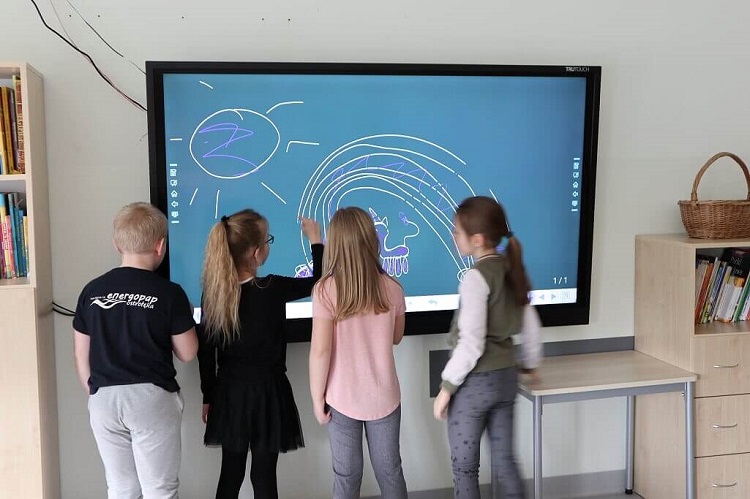
Technology has transformed the way we live, work, and communicate, and education is no exception. Today, classrooms and lecture halls are moving beyond traditional blackboards and whiteboards, embracing modern, technology-driven solutions that make learning more interactive, engaging, and efficient. One of the most impactful upgrades educational institutions can invest in is an interactive flat panel. These digital boards are redefining the teaching and learning experience, making lessons more dynamic and accessible to students of all ages.
With an increasing emphasis on digital education, schools and colleges worldwide are integrating interactive flat panels into their classrooms. But why should educational institutions make this transition? Let’s explore the compelling reasons to upgrade to this advanced teaching technology.
The Need for Digital Transformation in Education
Modern students are digital natives. They grow up using smartphones, tablets, and computers, making traditional teaching methods less engaging for them. Schools and colleges must adapt to their learning preferences by incorporating digital tools that enhance participation, creativity, and comprehension.
An interactive flat panel brings the best of technology into the classroom, providing teachers with a seamless way to integrate multimedia, interactive exercises, and real-time collaboration into their lessons. Unlike traditional projectors or whiteboards, these panels offer a superior experience with crystal-clear displays, touchscreen capabilities, and built-in educational software.
Benefits of Upgrading to Interactive Flat Panels
1. Enhancing Student Engagement and Participation
One of the biggest challenges teachers face is keeping students engaged. Traditional lectures can sometimes feel monotonous, making it hard for students to stay focused. Interactive flat panels solve this problem by introducing a hands-on, immersive learning experience.
Students can:
- Interact with lessons using touch gestures.
- Engage with videos, animations, and virtual simulations.
- Participate in quizzes and games that test their understanding in real time.
This level of engagement improves knowledge retention and makes learning fun, encouraging students to participate actively.
2. Encouraging Collaboration and Teamwork
Education isn’t just about memorization—it’s about developing critical thinking, teamwork, and problem-solving skills. Interactive flat panels allow multiple students to work together on the same screen, fostering collaborative learning.
Teachers can split the screen for group activities, students can brainstorm ideas in real time, and class discussions become more interactive with instant note-taking and annotations. This helps prepare students for future careers where teamwork and digital collaboration are essential skills.
3. Seamless Integration with Modern Educational Tools
Interactive flat panels are designed to integrate with various educational platforms, making it easy for teachers to incorporate different learning tools. These panels support:
- Cloud-based learning management systems (LMS) like Google Classroom and Microsoft Teams.
- Online assessments and digital quizzes for instant performance tracking.
- AI-powered learning assistants that personalize lessons based on student progress.
This flexibility allows educators to deliver lessons more effectively while ensuring students have access to the best learning resources available.
4. Superior Display and Audio Quality
Unlike traditional projectors that require dim lighting and frequent maintenance, interactive flat panels provide:
- High-definition (4K UHD) displays with vibrant colors and crisp details.
- Anti-glare screens that reduce eye strain during long learning sessions.
- Built-in speakers that enhance audio clarity for lectures and multimedia presentations.
This improved visual and audio experience makes learning more immersive and accessible to all students, regardless of their learning preferences.
5. Simplifying Hybrid and Remote Learning
In the post-pandemic world, hybrid and remote learning have become a permanent part of education. Schools and colleges need teaching solutions that bridge the gap between in-person and virtual classrooms.
Interactive flat panels allow:
- Live video conferencing with students attending remotely.
- Real-time screen sharing for virtual collaboration.
- Recorded lectures that can be accessed by students anytime.
This makes learning more flexible, ensuring that students don’t miss out on important lessons even when they are unable to attend physically.
6. Eco-Friendly and Cost-Effective Solution
Education institutions generate a significant amount of waste from printed handouts, chalk, and markers. Interactive flat panels promote a paperless environment, reducing the need for printed materials while providing digital alternatives that are both sustainable and cost-effective.
Additionally, they require minimal maintenance compared to projectors, which often need bulb replacements and calibration. Over time, schools and colleges save on operational costs, making them a smart long-term investment.
7. Personalized Learning Experience
Not all students learn at the same pace. Some need more visual explanations, while others prefer hands-on exercises. Interactive flat panels support differentiated learning strategies, allowing teachers to:
- Create customized lessons tailored to different learning styles.
- Use AI-driven analytics to track student progress and identify areas needing improvement.
- Offer students access to digital resources that complement classroom instruction.
This personalized approach ensures that every student receives the support they need to succeed academically.
8. Better Classroom Management and Organization
Keeping track of assignments, attendance, and lesson plans can be overwhelming for teachers. Interactive flat panels simplify classroom management by integrating tools that:
- Automate attendance tracking.
- Store and organize lesson materials in the cloud.
- Allow instant note-sharing with students for better revision.
These features help educators streamline their workflow, allowing them to focus more on teaching rather than administrative tasks.
Choosing the Right Interactive Flat Panel
If you’re considering upgrading to an interactive flat panel, here are some key factors to consider:
1. Screen Size and Resolution
Choose a panel size that fits your classroom dimensions, ensuring clear visibility for all students. A 4K UHD display provides superior picture quality, reducing strain on students’ eyes.
2. Touch Responsiveness and Multi-Touch Support
Look for a panel with fast touch response and multi-touch functionality, allowing multiple students to interact with the screen simultaneously.
3. Connectivity and Device Compatibility
Ensure that the panel supports:
- Wi-Fi, Bluetooth, and HDMI connections.
- Wireless screen sharing from laptops, tablets, and smartphones.
- Compatibility with both Windows and Android devices.
4. Built-in Software and Cloud Integration
A good interactive flat panel should come with pre-installed educational apps, digital whiteboarding tools, and cloud storage capabilities for seamless lesson planning.
5. Durability and Maintenance
Invest in a panel with a scratch-resistant, anti-glare screen and energy-efficient technology for long-term durability and minimal maintenance.
Conclusion
Upgrading to interactive flat panels is no longer a luxury—it’s a necessity for modern education. These advanced digital tools enhance student engagement, encourage collaboration, and simplify teaching processes, making learning more effective and enjoyable.
With the growing emphasis on digital education, investing in an interactive flat panel ensures that schools and colleges stay ahead of the curve. Whether for hybrid learning, interactive lessons, or personalized teaching methods, these panels are transforming education for the better, creating smarter, more connected classrooms that prepare students for the future.

 Build Your Business With Creative Ideas - workin.business.blog