
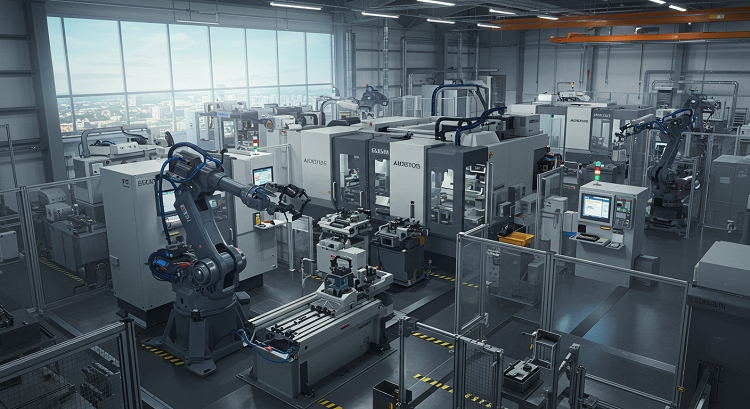
The automatic weighing and filling machine has quietly become one of the most transformative technologies in contemporary manufacturing, reshaping industries from pharmaceuticals to food production with a precision that would have seemed fantastical just decades ago. In an era where consumer expectations for consistency and quality have reached unprecedented heights, these sophisticated systems represent more than mere mechanical innovation—they embody humanity’s relentless pursuit of perfection in an imperfect world.
The Science Behind Seamless Automation
At its core, an automated weighing and filling system operates on principles that would be familiar to any physicist: the careful measurement of mass, the controlled dispensing of materials, and the maintenance of equilibrium across countless repetitions. Yet the sophistication of modern equipment transcends simple mechanical function. Today’s machines employ load cells capable of detecting weight variations as minute as a fraction of a gramme, whilst simultaneously coordinating with pneumatic filling mechanisms that can dispense liquids, powders, or granules with remarkable consistency.
Singapore’s manufacturing sector has particularly embraced these technologies, with facilities across the island nation deploying precision filling equipment to maintain their competitive edge in global markets. The country’s strategic position as a manufacturing hub for Southeast Asia has made it a testing ground for cutting-edge automation technologies. “The accuracy we achieve with automated systems has allowed us to reduce waste by nearly 40% whilst improving product consistency,” notes a recent industry report from the region.
Industries Transformed by Precision Technology
The applications for automated weighing and dosing equipment span an impressive array of sectors, each benefiting from the technology’s capacity to eliminate human error whilst enhancing throughput:
• Pharmaceutical Manufacturing: Where precise dosing can mean the difference between therapeutic efficacy and potential harm
• Food and Beverage Production: Ensuring consistent flavour profiles and meeting strict regulatory requirements
• Chemical Processing: Managing hazardous materials with minimal human exposure
• Cosmetics Industry: Delivering uniform product quality across massive production runs
• Agricultural Supplies: Accurately portioning seeds, fertilisers, and other farming inputs
The environmental implications of this precision cannot be overstated. In a world grappling with resource scarcity and sustainability concerns, the ability to eliminate overweight packaging—often amounting to millions of pounds of unnecessary material annually—represents a quiet but significant victory for conservation efforts. These systems also contribute to reduced energy consumption through optimised production cycles, whilst minimising the carbon footprint associated with product transportation by ensuring packages meet exact weight specifications without excess materials.
The Economics of Automation
The financial mathematics surrounding automatic filling and weighing systems present a compelling case for investment. Whilst the initial capital expenditure may seem substantial, the long-term benefits create a cascade of savings that extend far beyond simple labour costs. Consider the reduction in product giveaway—industry terminology for the excess product that results from imprecise filling. Even a modest 2% reduction in giveaway can translate to hundreds of thousands of pounds in annual savings for medium-scale operations.
Moreover, the consistency achieved through automated weighing technology reduces customer complaints and returns, protecting brand reputation in an era where social media can amplify quality concerns instantaneously. The reliability of these systems means manufacturers can maintain tighter tolerances on their products, potentially allowing for optimised packaging sizes and reduced material costs.
Navigating Implementation Challenges
Despite their advantages, the integration of automatic dosing and filling equipment requires careful consideration of several factors. The initial setup demands precise calibration, often requiring specialised knowledge and ongoing maintenance protocols. Operators must be trained not merely in the machine’s operation, but in understanding the subtle indicators that suggest when recalibration might be necessary.
The technology also demands a certain level of infrastructural support—stable power supplies, controlled environmental conditions, and robust quality assurance systems. For companies transitioning from manual processes, the cultural shift can be as significant as the technological one, requiring staff to embrace new workflows and quality metrics.
Future Horizons in Automated Precision
Looking ahead, the evolution of weighing and filling automation appears destined to become even more sophisticated. Integration with Internet of Things (IoT) sensors promises real-time monitoring and predictive maintenance capabilities, whilst machine learning algorithms may soon optimise filling parameters automatically based on environmental conditions and product characteristics.
The emergence of flexible automation—systems capable of handling multiple product types with minimal changeover time—suggests a future where manufacturers can respond to market demands with unprecedented agility. This adaptability will prove particularly valuable in industries characterised by seasonal variations or rapidly changing consumer preferences.
A Measured Conclusion
As we stand at the intersection of technological capability and manufacturing necessity, the humble automatic weighing and filling machine emerges not as a mere tool, but as a testament to human ingenuity in addressing the fundamental challenge of consistency at scale. In Singapore and beyond, these systems continue to demonstrate that precision, when properly harnessed, can deliver benefits that extend from the factory floor to the global environment, one perfectly measured portion at a time.

 Build Your Business With Creative Ideas - workin.business.blog